


Biological Rhythms
How biological rhythms govern our bodies and what happens when they are disrupted
Introducing the Biological Approach
Biology and BehaviorEvaluation of the Biological Approach
Biological PsychologyBiological Approach
Brain Explorer
Biological PsychologyBrain Explorer
Did You Know?
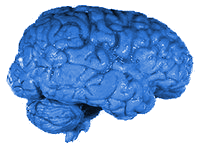 The idea that we only use 10% of our brains is a myth: it originated from either an advertisement or misleading interpretation of neurological research in the late 19th or early 20th Century. We actually use our entire brains, but the myth was perpetuated by 'psychics' who claimed that we could tap in to the other functions of the brain in order to enjoy abilities such as Extra-Sensory Perception.
Biological Psychology

Biological RhythmsBiological Rhythms
How biological rhythms govern our bodies and what happens when they are disrupted.
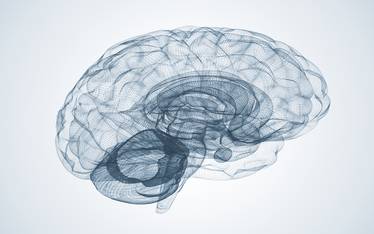
Biological PsychologyBrain Explorer
Discover what each part of your brain does and how it functions with the new interactive Brain Explorer.
Biology and BehaviorEvaluation of the Biological Approach
Can the Biological Approach explain our behavior? Decide for yourself with the advantages and drawbacks of this approach.
How Drugs Affect UsCells
How do drugs that affect our mood (for example, Prozac for depression) and the way we behave work?

Biological PsychologyHeadaches
Types of headaches and treatments explained, including exploration of Ice Cream and Rebound headaches.

Biological PsychologyECT
Introduction to Electro-Convulsive Therapy (ECT), how it is used today and an evaluation.
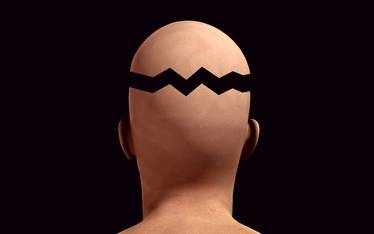
Biological PsychologyLobotomy
Can removing parts of the brain via a lobotomy cure mental illnesses? Read an evaluation of this controversial treatment.
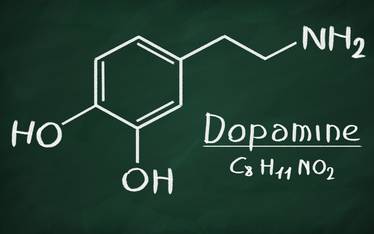
Biological PsychologyDopamine Neurotransmitter
The role of neurotransmitter dopamine in movement and cognition.
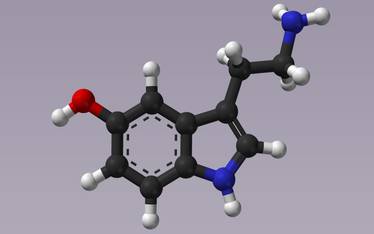
NeurotransmittersSerotonin
Seratonin's role in anxiety and depression.
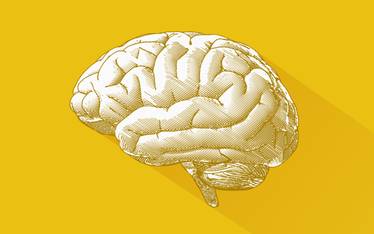
Biological PsychologyBiological Approach
Overview of the Biological Approach in psychology, including differentiation from other approaches and evaluation.