



Cells - Psychologist World
Psychologist World: Psychology articles, tests, approaches, explanations and more. Click here for more information.           


Click here to access psychology answers to everyday questions.


  The Human Mind - Hypnotic World Psychology

How do drugs that affect our mood (for example, Prozac for depression) and the way we behave work? Below we'll take a look at the basic theory behind what makes them work...


The brain contains many billions of cells, which are joined together at synapes - junctions at which they communicate through one-way signals. These signals are transmitted within the brain and enable actions such as a movement of the arm to happen. Below you can see a simplification of a synapse junction:


Synapses
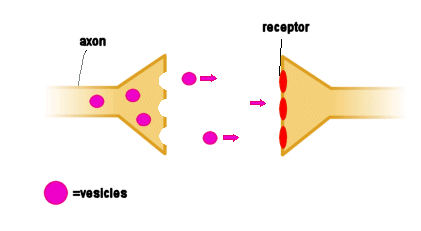
 

Cells communicate with each other using transmitters, which are contained in the vesicles (represented by the pink circles). An electric signal is sent down a cell, triggering the release of transmittors, which travel to the receptors of the receiving cell. When the receptor receives a transmitter, it changes shape and triggers another electric signal in its cell and the process begins again, continuing the communication between cells.


What happens to the transmitter

Once the transmitter has served its purpose, it will either be broken down by enzymes or be transferred back to the nerve ending and reused (this second option is called re-uptake).


How do drugs have a psychological effect?

Many neurological disorders are caused by the imbalance of neurotransmitters such as dopamine and serotonin in the brain. For example, the "dopamine hypothesis" suggests that schizophrenia is linked to abnormal levels of dopamine in the brain. Drugs such as anti-depression narcotics affect a user's mood by using chemicals to change the movement of transmitters like serotonin between cells.
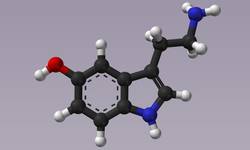

 

How is Serotonin is used in fighting depression?


Top of Page ^


Related articles

brain
Biological Approach
Cells
Cerebellum
ECT
Frontal Lobe

More articles in this section...


Click here to begin your free trial.

  Receive fascinating and informative insights
  on psychology topics with our newsletter:

Email:

Name:


    Most Read in May, 2008:

    1. Memory: Levels of Processing

    2. Biological Approach

    3. Behavioral Approach

    4. Memory Psychology

    5. Are You Angry? Test

    6. Fight-or-Flight Response
    7. Left Handedness

    8. Personality Type Test

    9. Cognitive Approach

    10. Psychology of Emotions


 Click here for more information.


Related Articles:


Browse Areas:

Behavior

Biological Psychology

Body Language

Cognitive Approach

Dreams

Freud

Influence & Personality

Mental Disorders

Memory

Self Tests

Sleep

Stress


By Approach

Biological

Behavioral

Cognitive


By Psychology

Studies Index


Issue Reference

Obsessive Compulsive Disorder

Post Traumatic Stress Disorder

General Anxiety Disorder

Seasonal Affective Disorder
more...


Self Help Psychology

Succeed in Exams

Memory Improvement


Still looking? See our Site Map


About Psychologist World™
About Us

A.S. Revision Index

Guarantee

Site Map

Subscribe Today


Page Tools:

AddThis Social Bookmark Button Tell a friend about this page | Printable version | Link to this Page | Subscribe for access to all 2,200+ pages

Psychologist World

Psychology Articles

Personality Tests

Freudian Psychology
Memory
More...

   Body Language

    How to Read it
   Self Image
   Effective Communication
   Posture
   More...

   Dream & Sleep Psychology

   Dream Interpretation Guide

   How to Remember Dreams

   Psychology of Sleep
   Sleep Deprivation
   More...

   About Psychologist World

   Contact Information

   Privacy Statement 

   Support 

   Site Map

   Subscribe for full access

© 2006-2008
Psychologist World™ & partners.
Parts licensed under GNU FDL.

Psychologist World Home